
Our projects
The different sectors of our charity
Each project below is a distinct strand of our work — some running now, some still being set up — with its own volunteers and its own measure of whether it is helping. Every one of them exists because somebody asked for it.
At a glance
5 projects, one purpose
Select any project to jump to the full description further down this page.
Dialysis Care Packages
Comfort, wellness, daily-living and entertainment items for patients to use during long treatment sessions.
Running nowIndigenous Community Outreach
Delivering essential care kits and resources directly to Indigenous communities — most recently to mothers in Grassy Narrows First Nation.
Running nowKidney Research Partnership
Many of our members are graduate researchers studying kidney injury and transplantation at the Matthew Mailing Centre.
Running nowPatient Travel Bursaries
A proposed bursary to help cover the cost of getting to and from treatment for patients who travel long distances.
Starting soonExternal Collaborations
Partnering with other hospitals' patient advisory councils and health networks on initiatives they've already identified as valuable.
Starting soon
Dialysis Care Packages
Comfort, wellness, daily-living and entertainment items for patients to use during long treatment sessions.
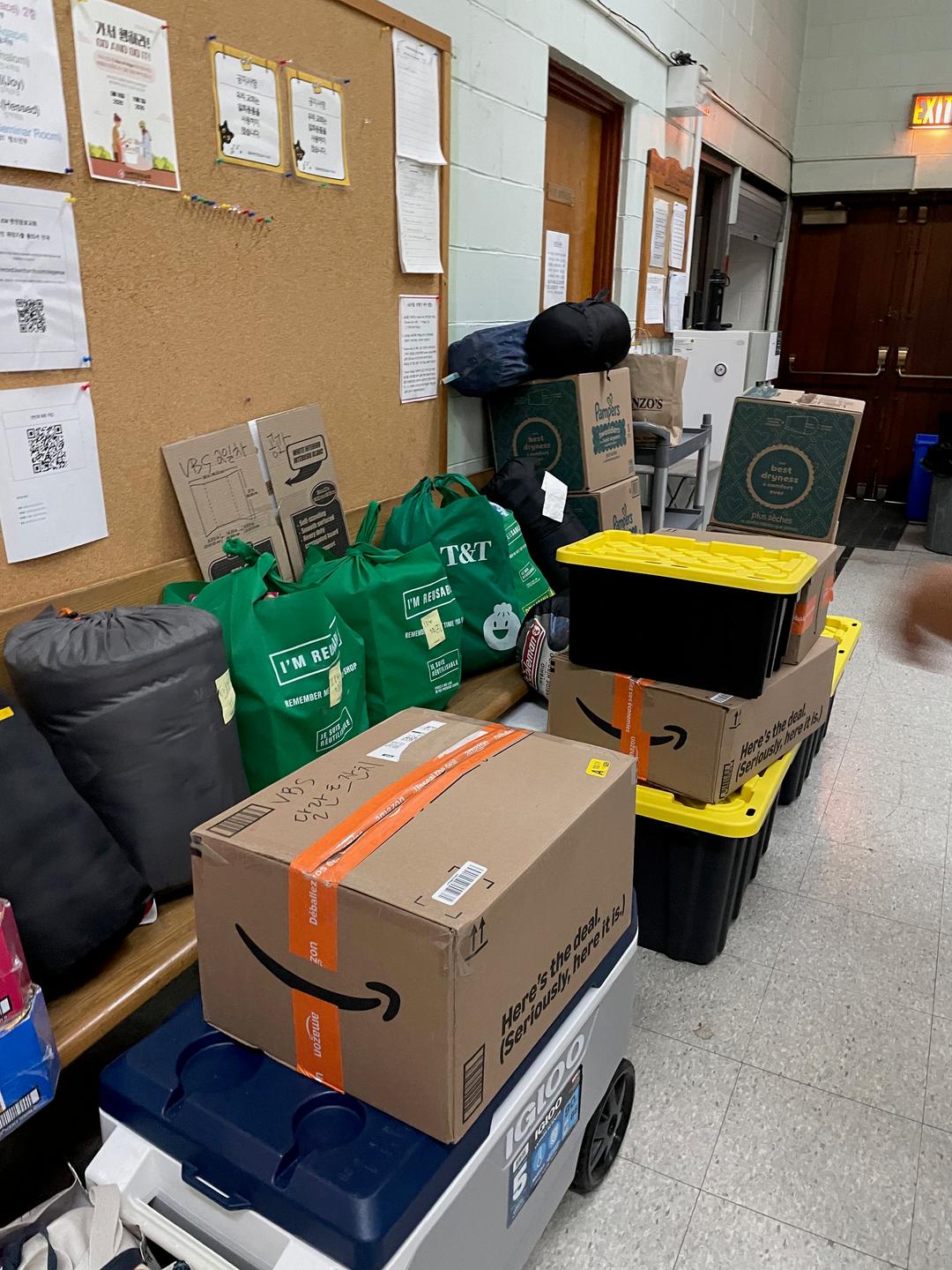
A haemodialysis session can run three to four hours, several times a week, often in a cold room with one arm out of action. Our care packages are built around four categories — comfort, health & wellness, daily items and entertainment — so a patient or their unit can pick what actually helps rather than one fixed bag. Every item is funded through student fundraising and handed out through unit staff, with restocks available on request.
What this involves
- Assembled by volunteers and funded entirely through fundraising — never charged to patients
- Distributed through partner unit staff, with restocks on request
- Built around what patients told us would actually help, via our surveys
- Four categories to choose from: comfort, health & wellness, daily items and entertainment
Comfort
- Warm blanket
- Neck pillow
- Warm, fuzzy socks
- Fuzzy gloves
- Fidget toy or stress ball
Health & Wellness
- Hygiene kit
- Lip balm
- Unscented lotion
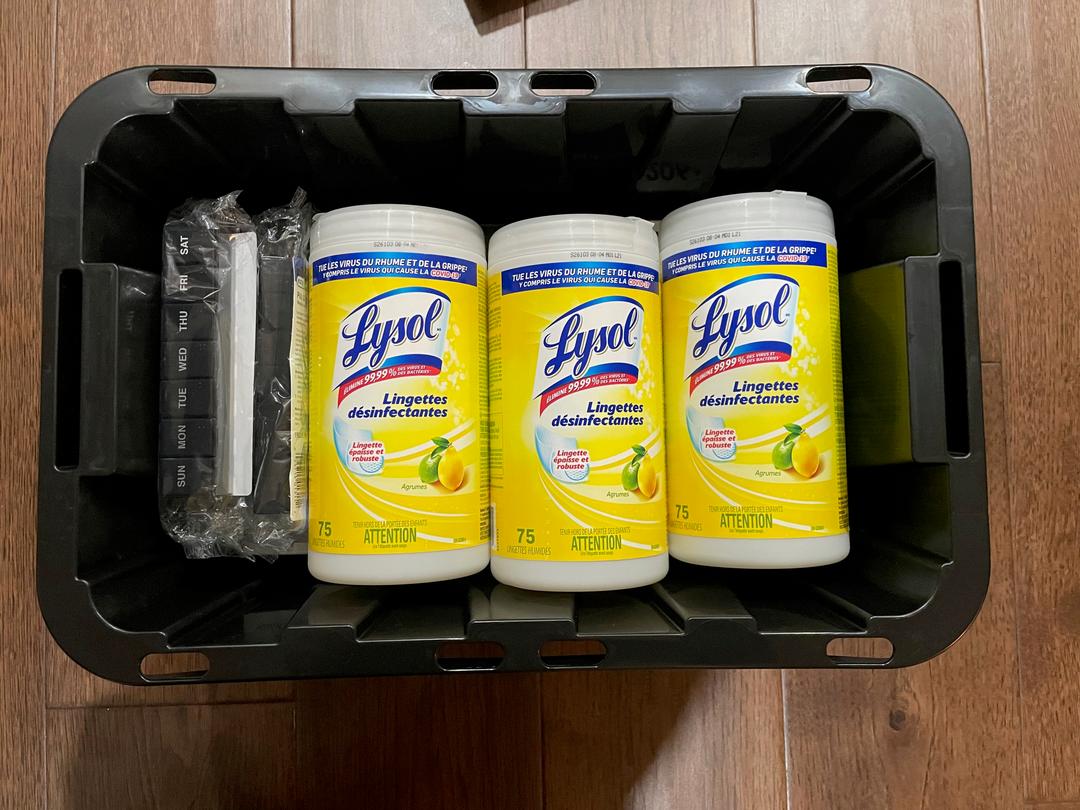
- Tissues
- Deodorant
- Comb or hairbrush
Daily Items
- Dialysis-friendly cookbook
- Pen and notebook
- Pill organiser
- Calendar
Entertainment
- Crossword or word search book
- Sudoku book
- Colouring book
- Colouring materials
Indigenous Community Outreach
Delivering essential care kits and resources directly to Indigenous communities — most recently to mothers in Grassy Narrows First Nation.
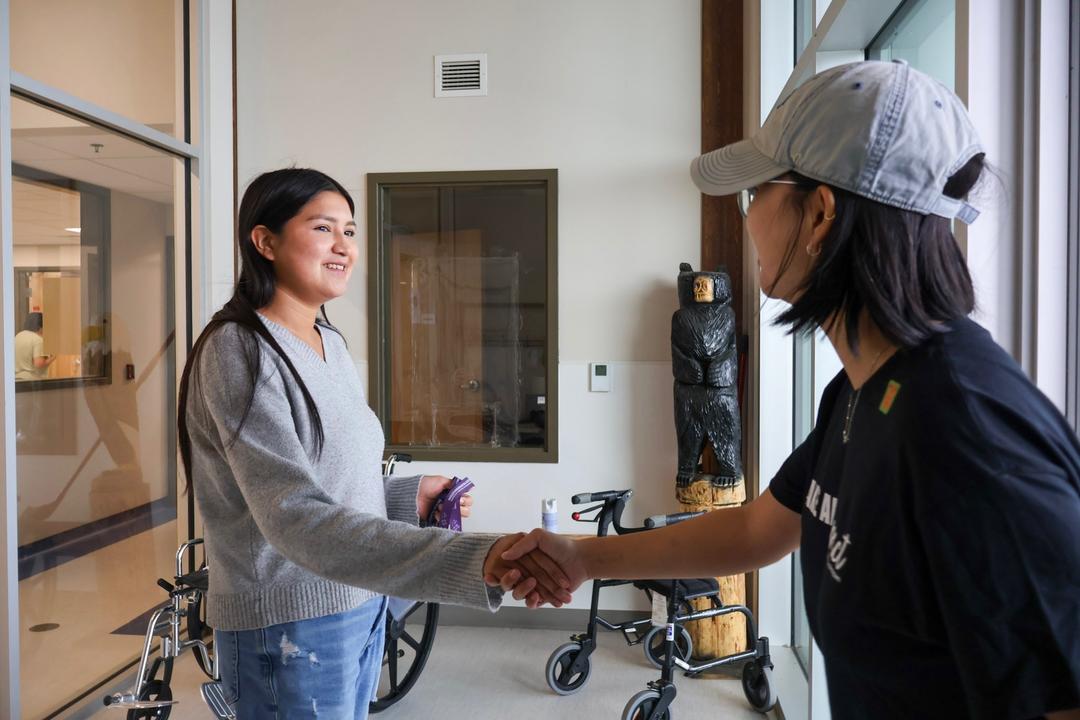
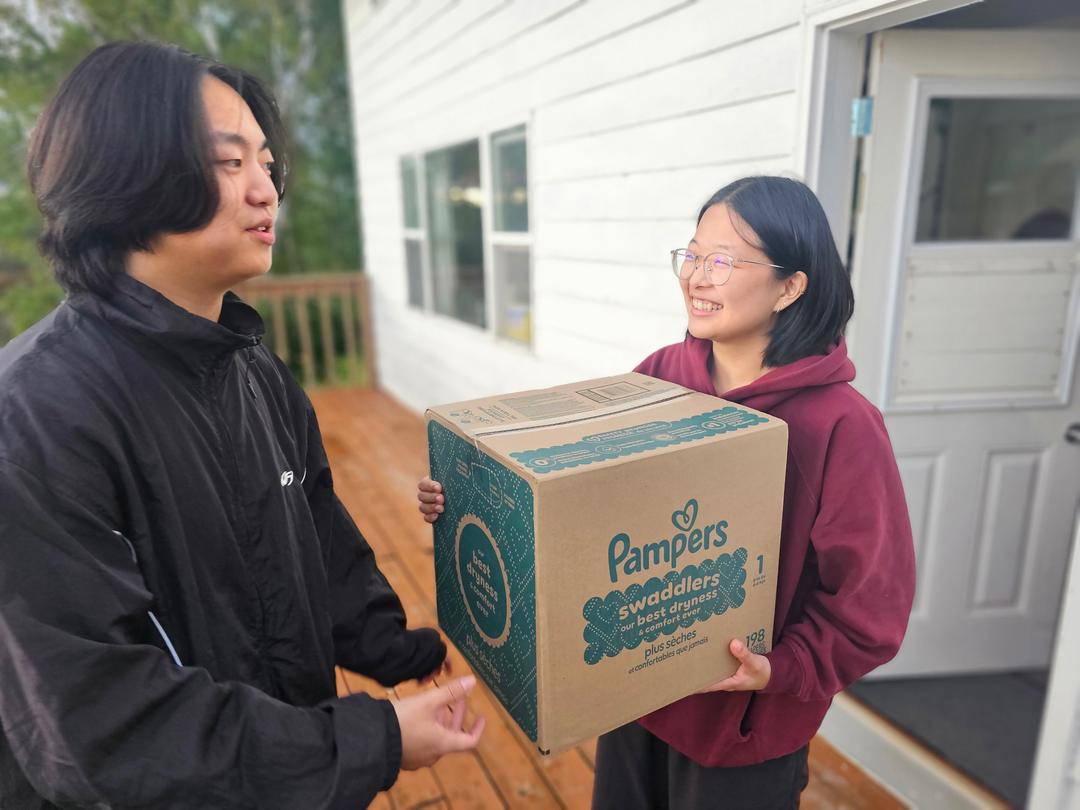
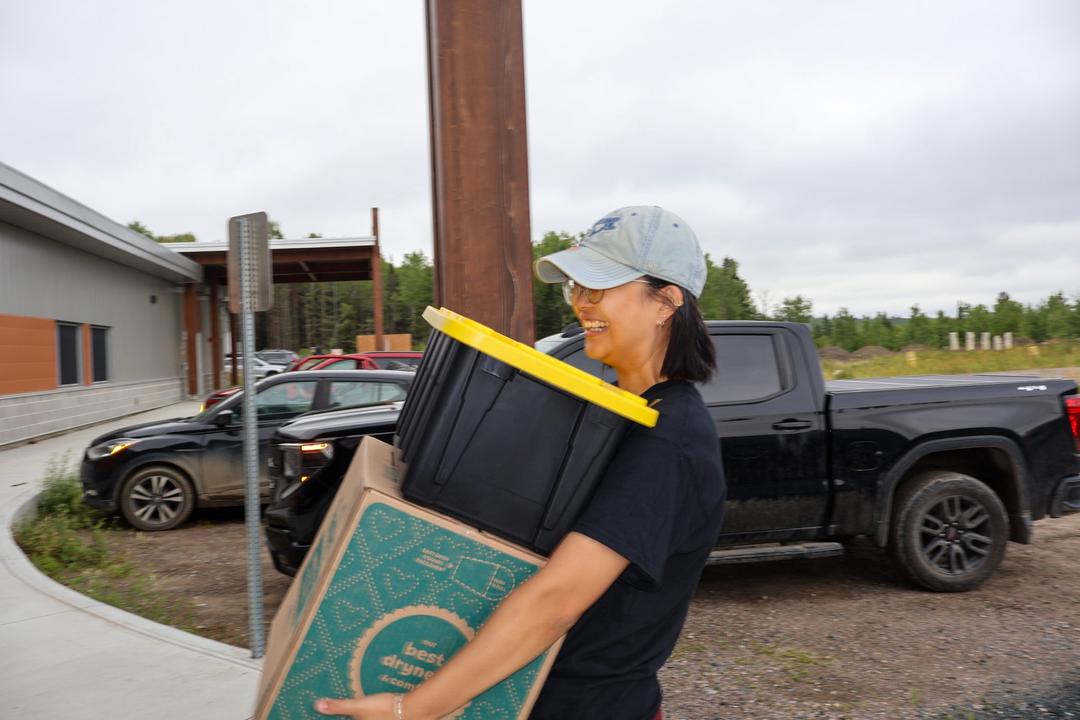
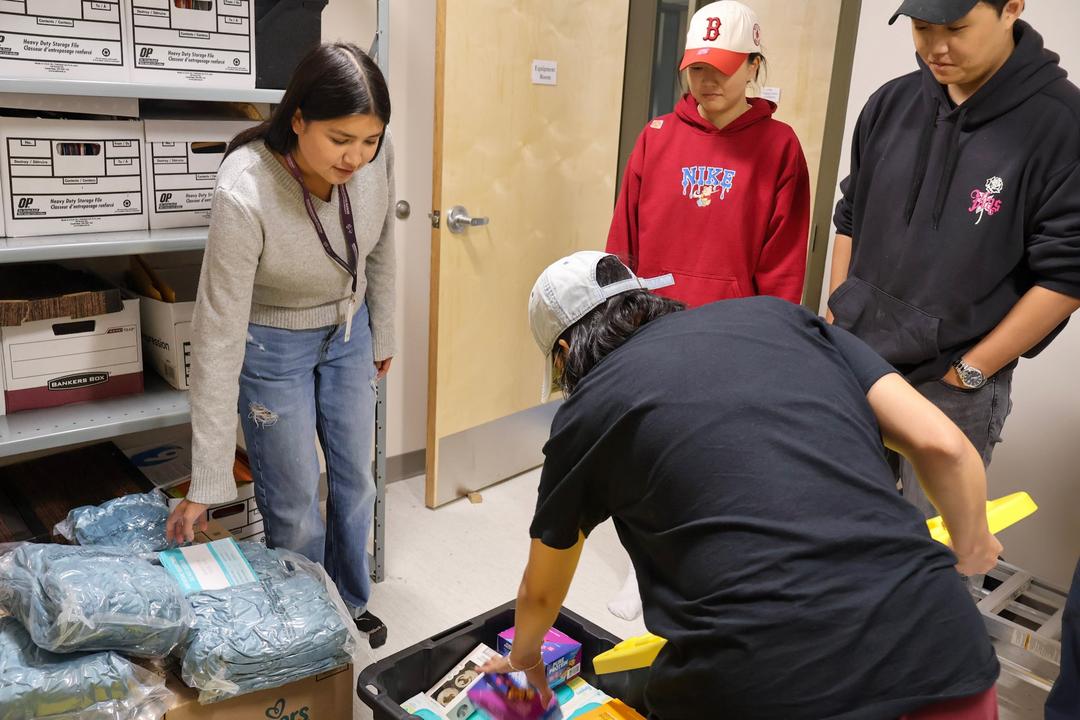
Access to dialysis-related supplies and support looks different in remote and Indigenous communities than it does in a city hospital. This sector exists to meet that directly: a DialAssist member recently travelled to Grassy Narrows First Nation to deliver essential care kits and resources to mothers in the community, working alongside local contacts rather than assuming from the outside what was needed.
What this involves
- Care kits and essential supplies delivered in person, not mailed
- Planned together with community contacts, not assumed from the outside
- Most recent delivery: essential care kits and resources for mothers in Grassy Narrows First Nation
- Growing as its own sector alongside our hospital-based work, not a one-off trip
Kidney Research Partnership
Many of our members are graduate researchers studying kidney injury and transplantation at the Matthew Mailing Centre.
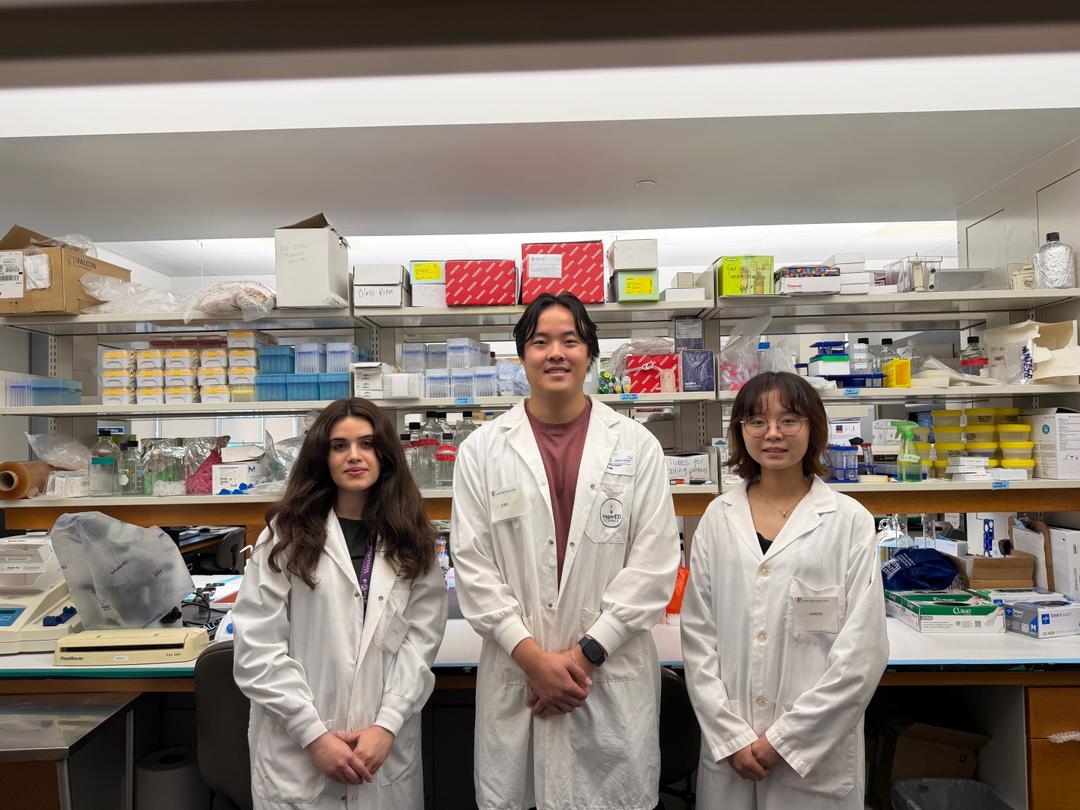
DialAssist isn't only a volunteering group — many of our members are graduate students and researchers studying kidney injury, transplantation and related conditions at the Matthew Mailing Centre. That research background shapes everything else we do: our care packages, our outreach work and the questions we ask patients are informed by people who also study the science of kidney disease.
What this involves
- Members are active graduate researchers in kidney injury and transplant science
- That research grounding informs how we design care packages and surveys
- Based at the Matthew Mailing Centre
- Connects the lab and the dialysis unit, rather than treating them as separate worlds
Patient Travel Bursaries
A proposed bursary to help cover the cost of getting to and from treatment for patients who travel long distances.
Missed or unaffordable transport is one of the most common reasons treatment gets disrupted, and it falls hardest on patients travelling long distances to a unit. We are working out a bursary programme to offset travel costs for the patients who need it most, including eligibility, funding and how partner units would refer patients in, before it launches.
What this involves
- Still in development — eligibility and funding model being worked out
- Aimed at patients facing the highest travel burden to reach treatment
- Would run through partner unit referrals, not a public application alone
- Funded through the same student fundraising as our other projects
External Collaborations
Partnering with other hospitals' patient advisory councils and health networks on initiatives they've already identified as valuable.
Not every good idea needs to start with us. Where another hospital or health network's own patient council has already identified something worth doing, we would rather add volunteer hands and fundraising than compete with it. Our first proposed partnership of this kind is with the Patient and Family Advisory Council (PFAC) at the Waterloo Regional Health Network (WRHN), helping assemble welcome bags for patients starting treatment — each including earbuds, a neck pillow and a fleece blanket.
What this involves
- First proposal: assembling WRHN PFAC welcome bags (earbuds, neck pillow, fleece blanket)
- DialAssist contributes assembly volunteers and fundraising support
- Led by the partner organisation's own patient council, with DialAssist assisting
- Open to similar partnerships with other hospitals and health networks
Get involved
Bring a project to your unit
If you are a renal team interested in hosting one of these projects, or a student who wants to run one, we would be glad to talk it through.